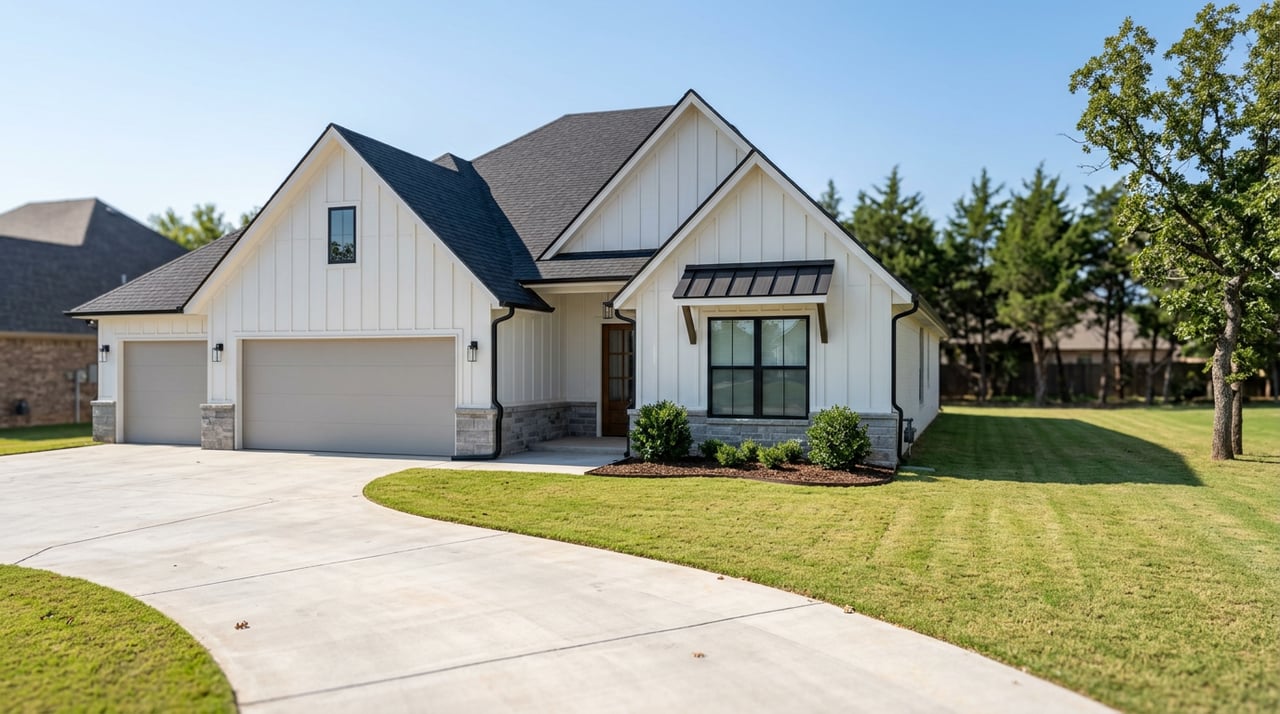
Newcastle OK Acreage Homes vs. New Construction
March 24, 2026
March 24, 2026
Should you chase wide-open space or the keys to a turnkey new build in Newcastle? It is a big decision, and the right answer depends on how you want to live, your timeline, and your comfort with site work and permitting. In this guide, you will learn how rules change inside city limits, what utilities really cost and require, and the steps to make a smart, low-stress choice. Let’s dive in.
Buying inside city limits comes with clear rules and city services. Newcastle uses a formal permitting and inspection process, and most in-city homes connect to municipal water and sewer. You will work through online permits, pay impact or connection fees when required, and follow subdivision standards. You can confirm requirements and fee schedules on the city’s Planning and Community Development page at the time you buy or build. Visit the city’s permitting and registrations information to verify what applies to your address on the Newcastle Planning and Community Development page.
Buying unincorporated acreage in McClain County works differently. The county does not have a zoning ordinance, so many land-use rules are not set by the county. Instead, you rely on recorded plats and covenants, state septic and well rules, county floodplain permits, and the specifics of each parcel. This can offer more flexibility for shops, barns, and animals, but it also puts more due diligence on you. See the county’s planning context in the McClain County Hazard Mitigation Plan.
If you build or buy in city limits near existing mains, you will typically connect through the Newcastle Public Works Authority. Expect a one-time impact or connection fee for your meter size and standard monthly utility billing. Always confirm whether the lot already has paid impact fees or if they will be due at connection. You can verify service and review recent reports via the Newcastle Public Works Authority resources.
Outside the city, many parcels use a rural water district or a private well. Start by asking if a rural water district serves the road, then confirm tap availability, line location, and estimated extension cost. One example in the area is McClain County Rural Water District No. 8. If there is no rural water line at the property, you will likely need a private well.
Domestic household wells in Oklahoma do not require an OWRB groundwater-use permit, but you must use a licensed well driller and completion reports are filed after drilling. Before you buy, request any existing well log and ask a licensed driller to estimate depth and expected yield for your location. Learn more from the Oklahoma Water Resources Board’s wells and licensing page.
If your parcel will not connect to city sewer, you need approval for an on-site sewage system through the Oklahoma Department of Environmental Quality. The process includes a soil profile analysis, a system design based on the soil and lot size, an Authorization to Construct, and inspections. Order the soil profile early because the results drive timeline and cost. Details, rules, and certified professional lists are on the DEQ on-site sewage program page.
How long will your build take? National benchmarks are a useful starting point. Production builders often complete homes in about 6 to 12 months, while fully custom builds can run 9 to 16 months or longer. Weather, permitting, utility extensions, septic and well work, and subcontractor availability can add weeks or months. Use these benchmarks to sanity check a builder’s schedule, and confirm local permit and utility lead times. See an overview of average timelines in this construction time guide.
On acreage, allow extra time for driveway and culvert installation, grading, erosion control, tree clearing, septic design and installation, and well drilling. If public utility extensions or plant improvements are tied to a new subdivision, full buildout can take longer.
Recent market snapshots place many Newcastle home values in the mid to high $200,000s. That provides a baseline when you compare the new-build premium or the total project cost of land plus construction.
Acreage pricing varies widely by size, location, and community features:
These are asking prices. Closed-sale data can differ, so confirm current comps before you write an offer.
Use this quick process to reduce surprises and protect your budget.
Whether you want a custom spread on acreage or a low-maintenance new build in town, a clear plan will save you time and money. If you want help confirming city status, lining up utility checks, or vetting builders and parcels, reach out anytime. You can start a conversation with Andrea Chambers to map your next steps with a local, high-touch guide.
Andrea loves working with buyers and sellers. She works wonders with investors in and out of state with her resources, team, and investing!